Enclosed Deck Contractors: Complete Guide to Designs, Benefits, and Real-World Solutions
An enclosed deck offers homeowners a year-round outdoor living solution, combining shelter, comfort, and design. As demand grows, the role of enclosed deck contractors becomes more significant. These specialized builders bring architectural expertise, material knowledge, and craftsmanship to create insulated, weather-resistant enclosures that elevate property value and enhance daily living. This guide explores the value enclosed deck contractors provide, real-world examples, use cases, and answers to commonly asked questions.
Understanding the Role of Enclosed Deck Contractors
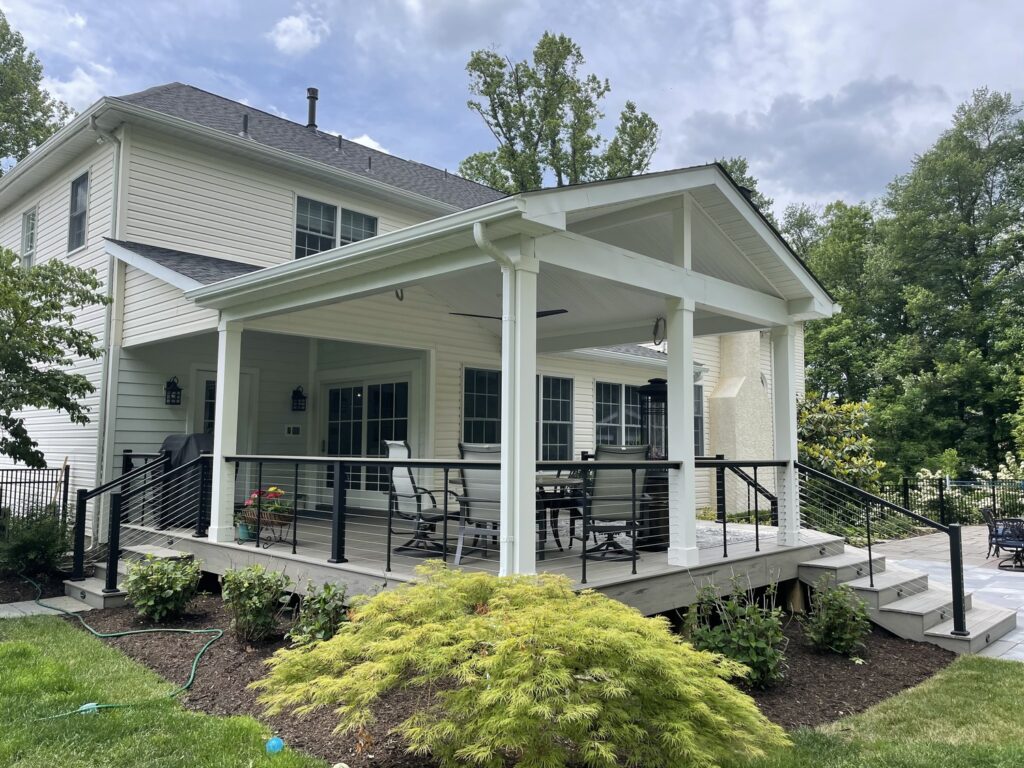
Enclosed deck contractors are professionals who specialize in converting open deck spaces into enclosed, usable rooms. These experts manage everything from foundational reinforcement to structural framing, insulation, weatherproofing, and compliance with local building codes. Unlike standard deck builders, enclosed deck contractors understand the complexities of combining interior comfort with exterior exposure.
Their projects often require HVAC integration, electrical planning, window and door installation, and detailed finish carpentry. These contractors typically work closely with homeowners, designers, and inspectors to ensure that safety, function, and aesthetics align. Depending on the scope, enclosures may include full or partial glass walls, screens, retractable windows, or all-season insulation for year-round use.
An enclosed deck protects from insects, rain, wind, and sun exposure while preserving the outdoor experience. Whether it’s a sunroom, screened porch, or fully enclosed addition, skilled contractors ensure that proper material selection, drainage, ventilation, and load-bearing capacity are met to avoid long-term structural issues.
Advantages of Working with Skilled Enclosed Deck Contractors
Hiring experienced enclosed deck contractors offers several distinct advantages that go beyond the ability to build a weather-resistant space.
1. Regulatory Compliance and Permitting
A reputable contractor navigates local zoning laws, setback limits, and building permits. Their understanding of municipal regulations ensures legal, safe structures and saves homeowners from costly fines or future issues when selling a home.
2. Structural Integrity and Longevity
These professionals select durable, weather-resistant materials and use proven construction techniques tailored to your region’s climate. Proper sealing, flashing, and foundational work protect the space from rot, shifting, or leaks over time.
3. Energy Efficiency and Insulation
Enclosed deck contractors often incorporate double-paned windows, insulated flooring, radiant heating, and smart ventilation systems. These additions help regulate indoor temperature, lowering energy consumption and increasing year-round comfort.
4. Custom Design Flexibility
Contractors work to meet lifestyle needs—whether you want a casual lounge, office, breakfast nook, or yoga space. Their design-build approach considers furniture layout, lighting, and flow between indoor and outdoor living zones.
5. Enhanced Property Value
Professionally enclosed decks are viewed as valuable home additions. Quality craftsmanship can add square footage and increase resale value, especially in regions where four-season use is possible.
Real-World Examples of Enclosed Deck Projects
Four-Season Sunroom Conversion in Minnesota
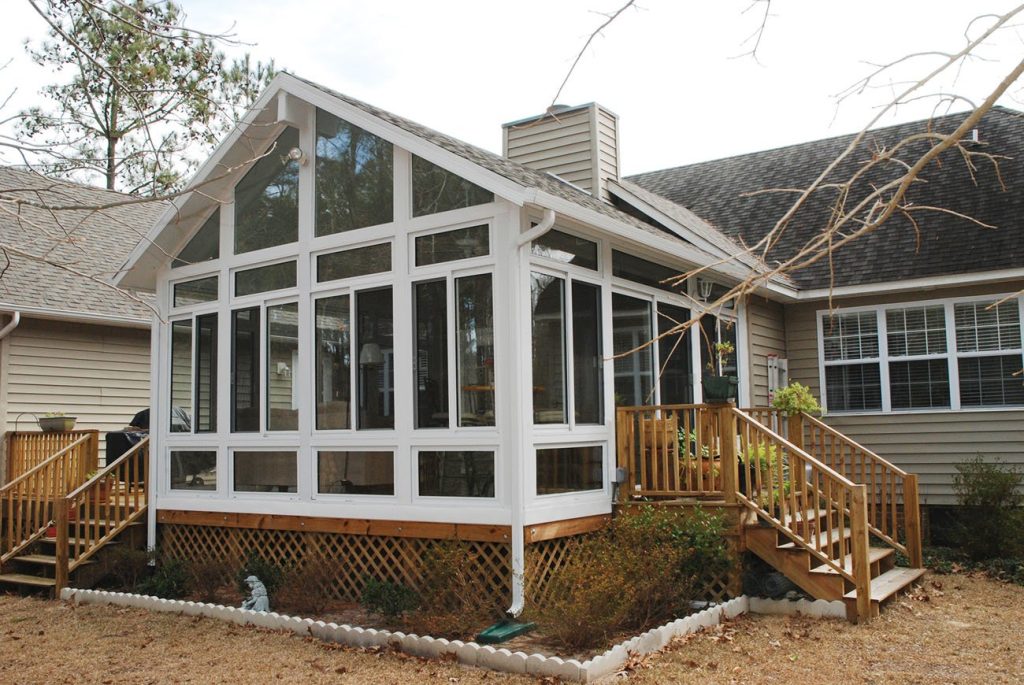
In a Minneapolis suburb, a family hired an enclosed deck contractor to transform their second-story deck into a four-season sunroom. The contractor reinforced the joists to support the weight of insulated walls, triple-pane windows, and a mini-split HVAC system. The enclosure included tongue-and-groove cedar ceilings, LED recessed lighting, and luxury vinyl plank flooring.
This project provided a quiet reading nook and family room with stunning backyard views. The contractor ensured that snow loads and freeze-thaw cycles were considered in the design, protecting the space during harsh winters.
Screened Porch in Coastal South Carolina
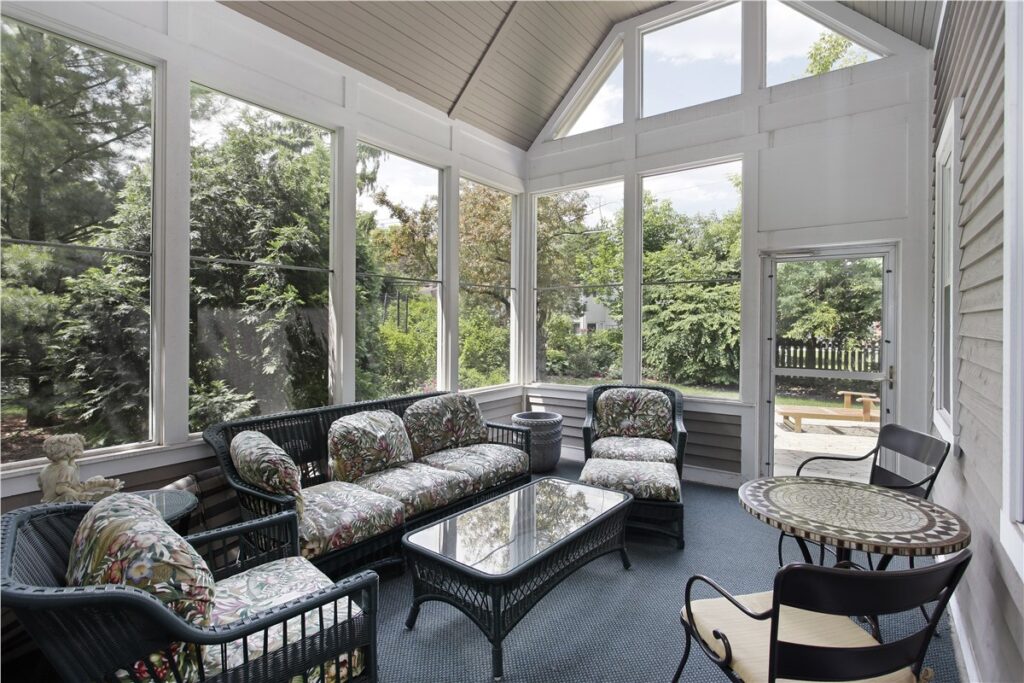
Along the South Carolina coast, a screened porch was added to a raised deck by a local enclosed deck specialist. Designed with stainless-steel hardware, pressure-treated framing, and fiberglass mesh screens, the enclosure offered ocean breezes without insects.
The contractor added a metal roof, ceiling fans, and dimmable lighting. The homeowner now uses the space for dining and hosting, even during buggy summer evenings. This project emphasized airflow, water drainage, and material durability against humidity and salt air.
Retractable Glass Enclosure in Oregon
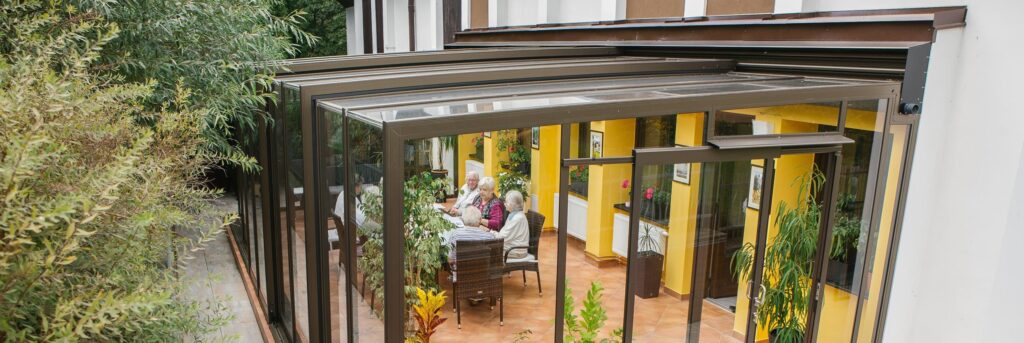
In Portland, an enclosed deck contractor installed a motorized glass wall system on a covered deck. The sliding glass panels allowed users to fully open or close the space depending on the weather. The contractor insulated the deck flooring and added radiant heat beneath porcelain tile, transforming the area into a flexible year-round environment.
This project gave homeowners a dynamic entertainment space. The contractor’s knowledge of moisture management and motorization integration was key to delivering a seamless experience.
Rustic Timber Enclosure in Colorado
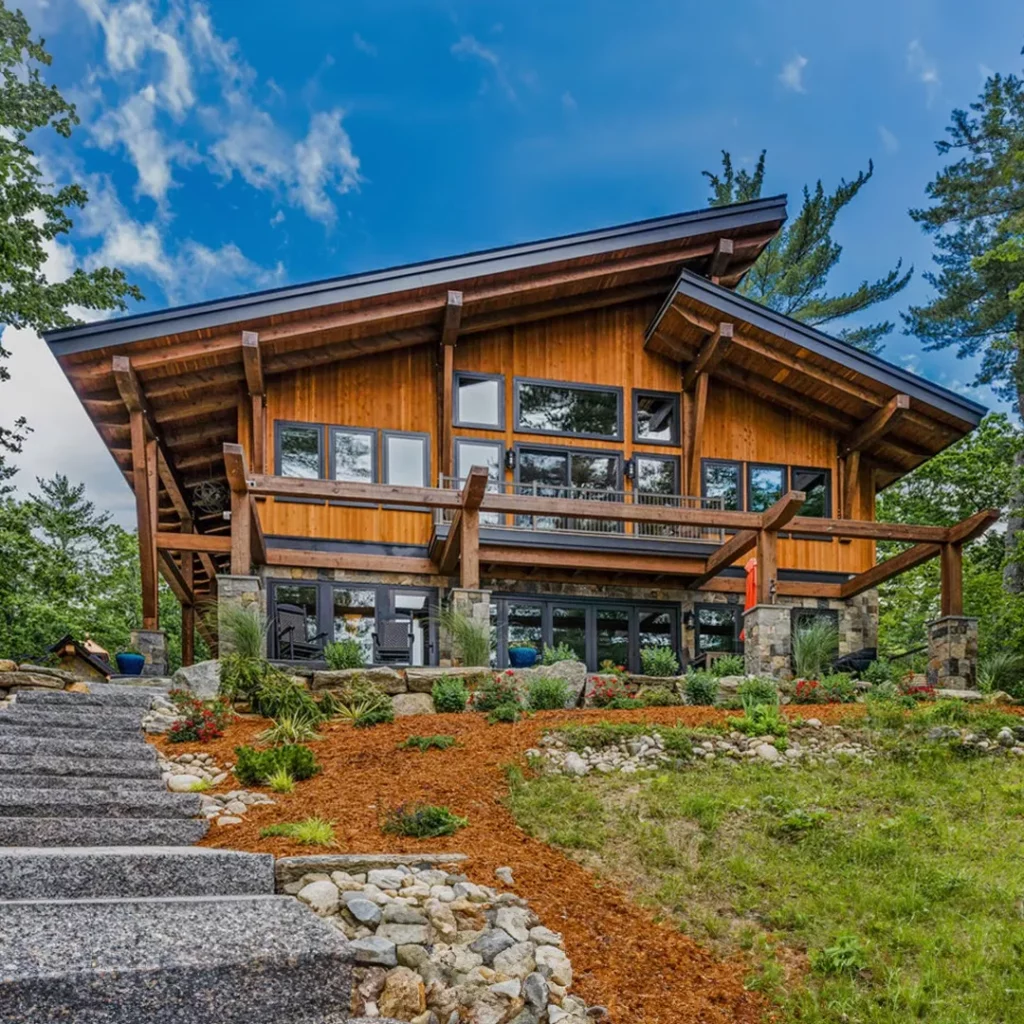
A Colorado mountain home featured a wrap-around deck with scenic views but limited functionality in winter. An enclosed deck contractor designed a timber-framed enclosure with floor-to-ceiling windows, rustic beams, and a wood-burning stove. Proper ventilation and sealing preserved the timber, while the addition blended perfectly with the home’s architectural style.
This project showed how an enclosed deck can provide warmth and charm without sacrificing mountain vistas.
Technology Integration for Modern Enclosed Decks
Today’s enclosed deck contractors are leveraging modern technology to enhance comfort, control, and aesthetics.
Smart Heating and Cooling Systems
Mini-split ductless systems, radiant floor heating, and energy-efficient windows ensure temperature control throughout the year. Some contractors integrate thermostats with smart home systems for mobile monitoring and automation.
Retractable Screens and Windows
Motorized retractable systems allow for open-air enjoyment on pleasant days and full enclosure during poor weather. With wall-mounted or app-based controls, users can adjust ventilation and light effortlessly.
Smart Lighting and Automation
Dimmable LED lighting, motion-activated switches, and voice-controlled scenes transform ambiance for different uses, dining, relaxing, working, or entertaining.
Sound and Media Systems
Built-in speaker systems, smart TVs, and network access allow enclosed decks to double as media rooms or home offices. Contractors plan wiring and insulation to minimize echo or outdoor noise interference.
These enhancements provide unmatched flexibility and convenience, especially in multi-use spaces where one area serves several purposes throughout the day.
Benefits of Enclosed Decks in Real-Life Situations
1. Weather Protection
Enclosed decks create functional spaces during rain, snow, wind, and heat. Whether it’s morning coffee during spring rain or stargazing in the winter with a fire burning, enclosure expands usage across all seasons.
2. Added Living Space
Without needing a full home addition, enclosed decks offer quiet reading corners, work-from-home offices, or play areas. This is especially valuable in smaller homes needing more square footage without heavy remodeling.
3. Family and Pet-Friendly
These spaces offer safe, clean areas for children and pets. With screened walls or full glass, families can enjoy outdoor views without exposure to insects, allergens, or street noise.
4. Hosting and Entertainment
Enclosed decks make perfect entertaining areas. Weather won’t cancel plans, and amenities like ceiling fans, lighting, and seating ensure comfort for guests at any time of year.
5. Privacy and Security
Frosted glass or screen options add privacy while allowing daylight. Some contractors also include locking doors or reinforced windows for added security, especially for second-story enclosures.
Use Case: Solving Real Problems
Seasonal Underuse of Existing Deck
Many homeowners underutilize their decks due to inclement weather or bugs. Contractors solve this by creating comfortable enclosures that maintain outdoor visibility but protect users year-round.
Noise Pollution or Street Exposure
For homes near busy roads or loud neighbors, enclosed decks can be fitted with sound-insulated glass or acoustic panels to create quiet, meditative retreats.
Lack of Indoor Space
Instead of investing in expensive home additions, families use enclosed decks to gain extra usable square footage for hobbies, relaxation, or remote workNestct Infestation During Summer.
Enclosed decks with screening systems create a barrier against mosquitoes and bugs, allowing evening meals or games without constant swatting or citronella candles.
Frequently Asked Questions
Q1: What’s the difference between a sunroom and an enclosed deck?
A sunroom is typically built as part of the home’s interior footprint with full insulation and heating/cooling. An enclosed deck is often an adaptation of an exterior deck, providing protection but sometimes with seasonal usage in mind. Contractors can design enclosed decks to function like sunrooms depending on budget and goals.
Q2: Can I enclose my deck without a permit?
In most areas, you will need a building permit to enclose a deck. Contractors handle this as part of their service, ensuring your project complies with zoning, structural, and safety codes. Skipping permits may lead to fines or required removal.
Q3: Are enclosed decks worth the investment?
Yes—when done professionally, enclosed decks improve quality of life, offer flexible living space, and increase property value. The long-term enjoyment and usability make them a smart upgrade for many homeowners.