BBQ Island Builders Near Me: Expert Guide for Creating Your Perfect Outdoor Cooking Space
Hiring BBQ island builders near you goes beyond convenience; it ensures your outdoor kitchen is built with climate-specific materials and compliant with local codes. Homegrown builders understand regional weather patterns, soil conditions, and permit requirements, helping prevent future issues such as cracking, water damage, or permit rejections.
Local professionals also offer accessible communication and in-person site visits, leading to streamlined planning, efficient adjustments, and timely completion. Their familiarity with neighborhood standards ensures your design enhances curb appeal and integrates seamlessly with the surrounding architecture.
Designing an Outdoor BBQ Island with Local Experts
Defining Purpose and Layout Preferences
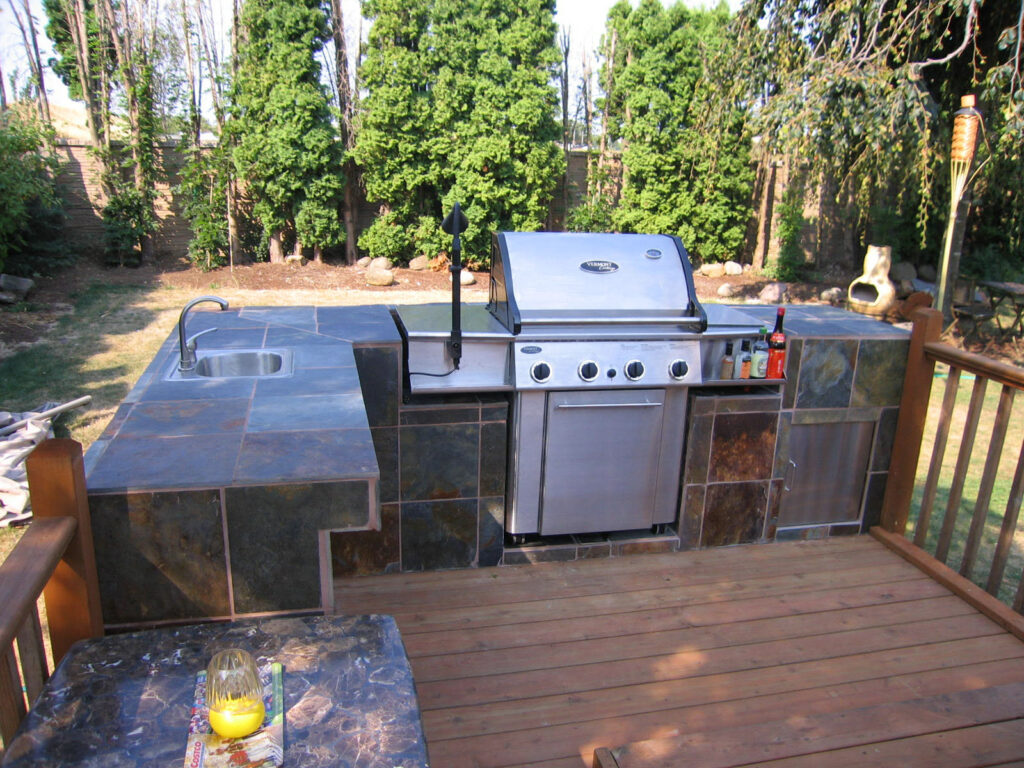
Start your project by clarifying how you intend to use the BBQ island. Do you want a simple grill and prep station, or a full culinary setup with sinks, storage, refrigeration, and seating? Discussing these goals with local builders helps determine the optimal layout, whether kitchen-style, island, L-shaped, or linear along an existing wall.
These professionals walk you through the ideal placement for utility access gas lines, electrical outlets, wat, er and drainage, ensuring everything is positioned for user convenience and safety. Strategic design prevents interference with traffic flow and guarantees ergonomic functionality.
Selecting Durable, Climate-Savvy Materials
Seasoned local builders recommend materials tailored for outdoor resilience: stainless or marine-grade steel for cabinetry, natural stone or porcelain countertops, and textured pavers or composite decking for the surface. These materials stand up to the sun, heat, and moisture with minimal upkeep.
Homegrown contractors also guide you to regional-grade sealants, weatherproofing, and corrosion-resistant fixtures crucial for areas that experience freeze-thaw cycles, heavy rain, or salty coastal air. Their material choices aim for longevity, safety, and aesthetic harmony with your existing outdoor space.
Informational Insights on Building a BBQ Island
Laying a Reliable Base
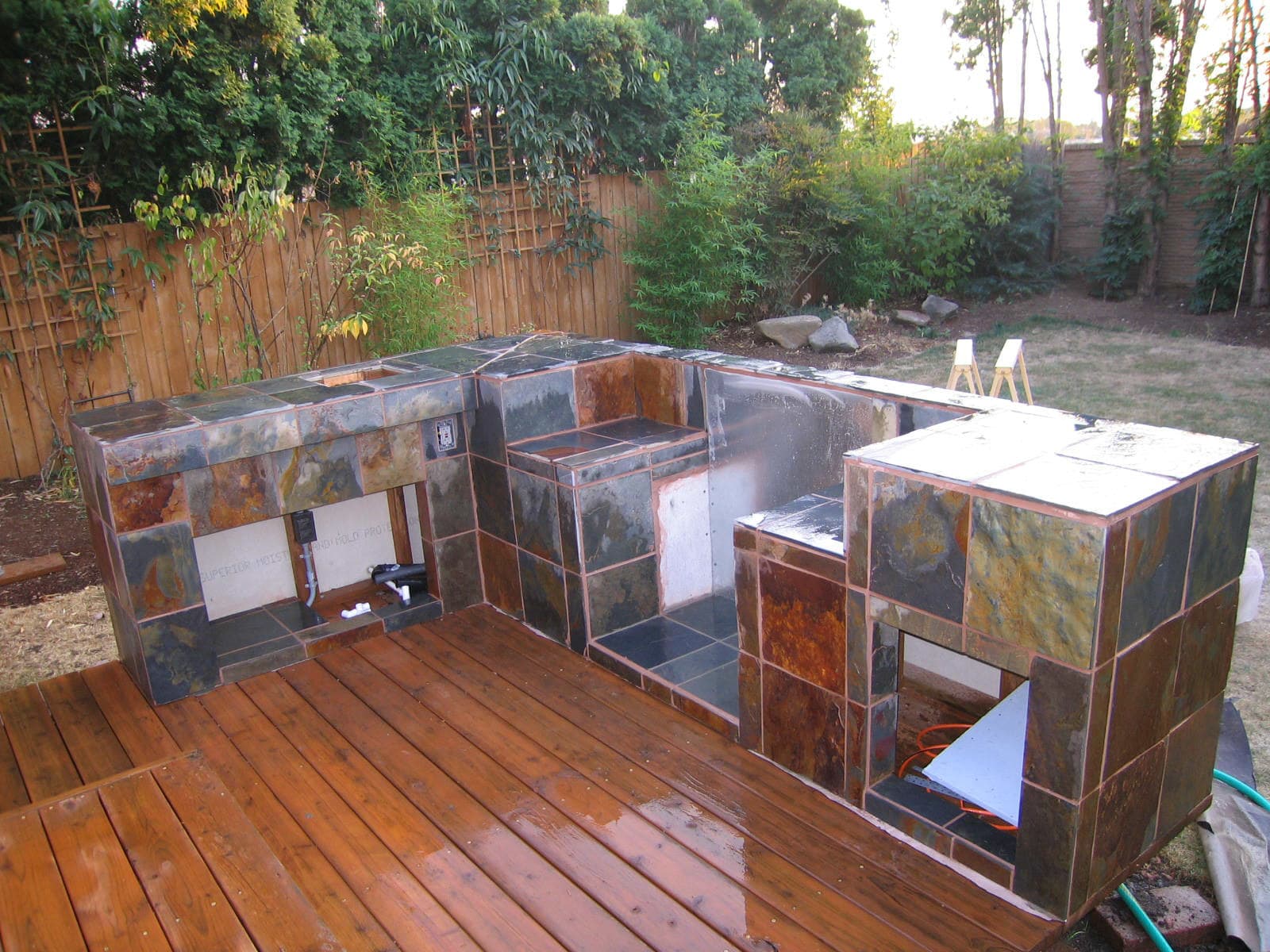
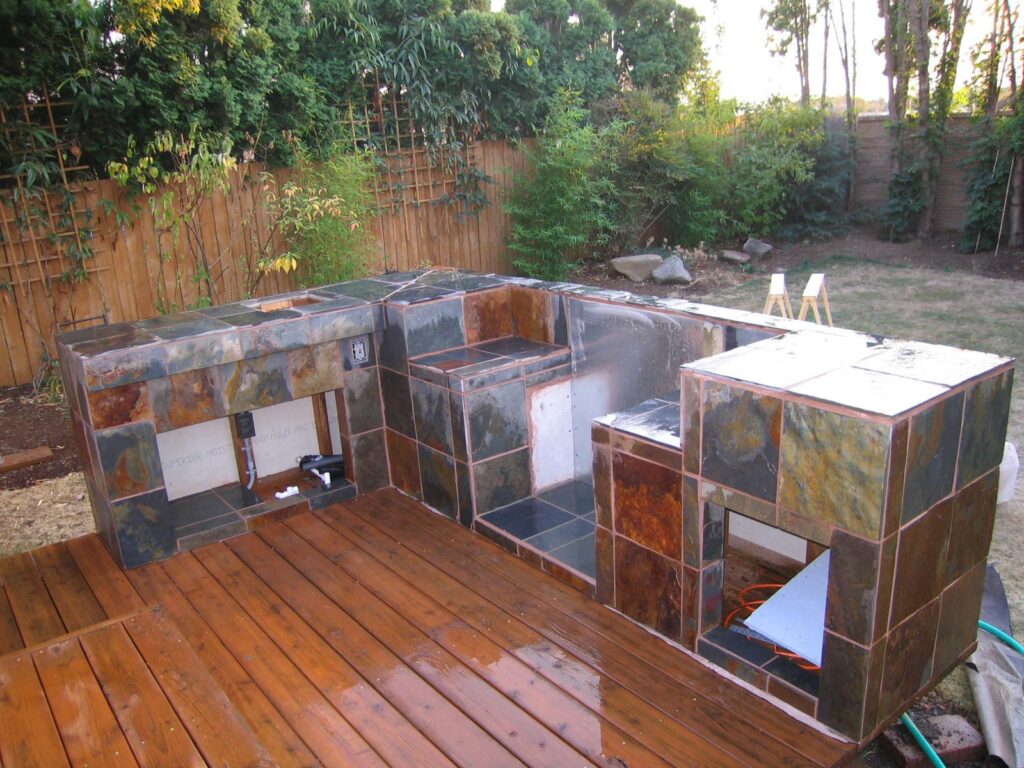
A sound foundation is essential for a durable BBQ island. Excavation reaches stable, undisturbed soil, followed by a compacted gravel layer. Often, a reinforced concrete slab or piers are installed to prevent settling and shifting over time due to freeze-thaw or soil movement.
Experienced builders design this substructure to support weight, drainage, and expansion. Their expertise avoids common issues like tilting, cracking, or separation from patio surfaces, ensuring your island remains level and anchored.
Safely Integrating Utilities
A modern BBQ island often includes gas grills, refrigeration, lighting, and power outlets. Local contractors ensure all gas piping, electrical wiring, and plumbing are installed to code. This includes appropriate gas shut-offs, outdoor-rated GFCI outlets, sealed conduits, and properly vented sinks and drains.
Thoughtful layout, placing utilities near but not in the guest path, enhances safety without compromising aesthetic appeal. Contractors also navigate permit processes and coordinate inspections, reducing the homeowner’s burden.
Real‑World Project Examples

1. Full-Service Grilling Island in a Suburban Setting
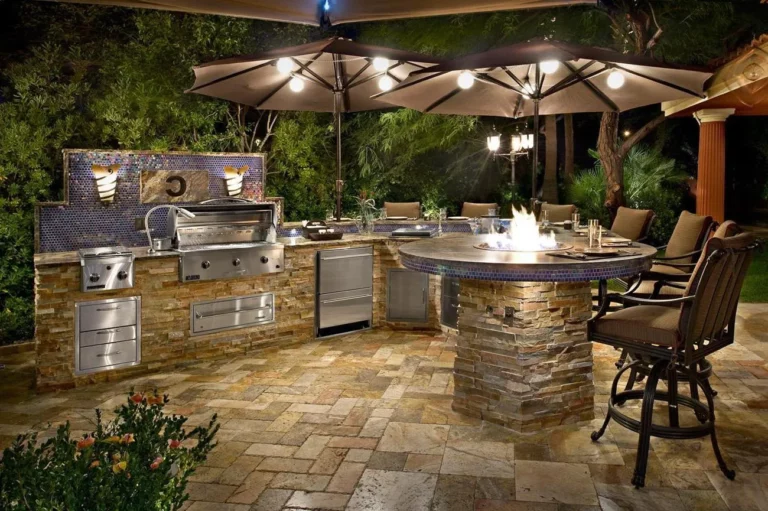
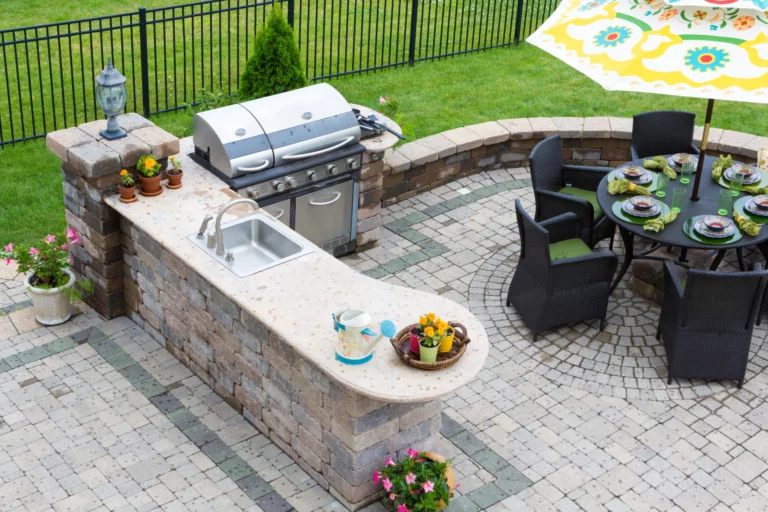
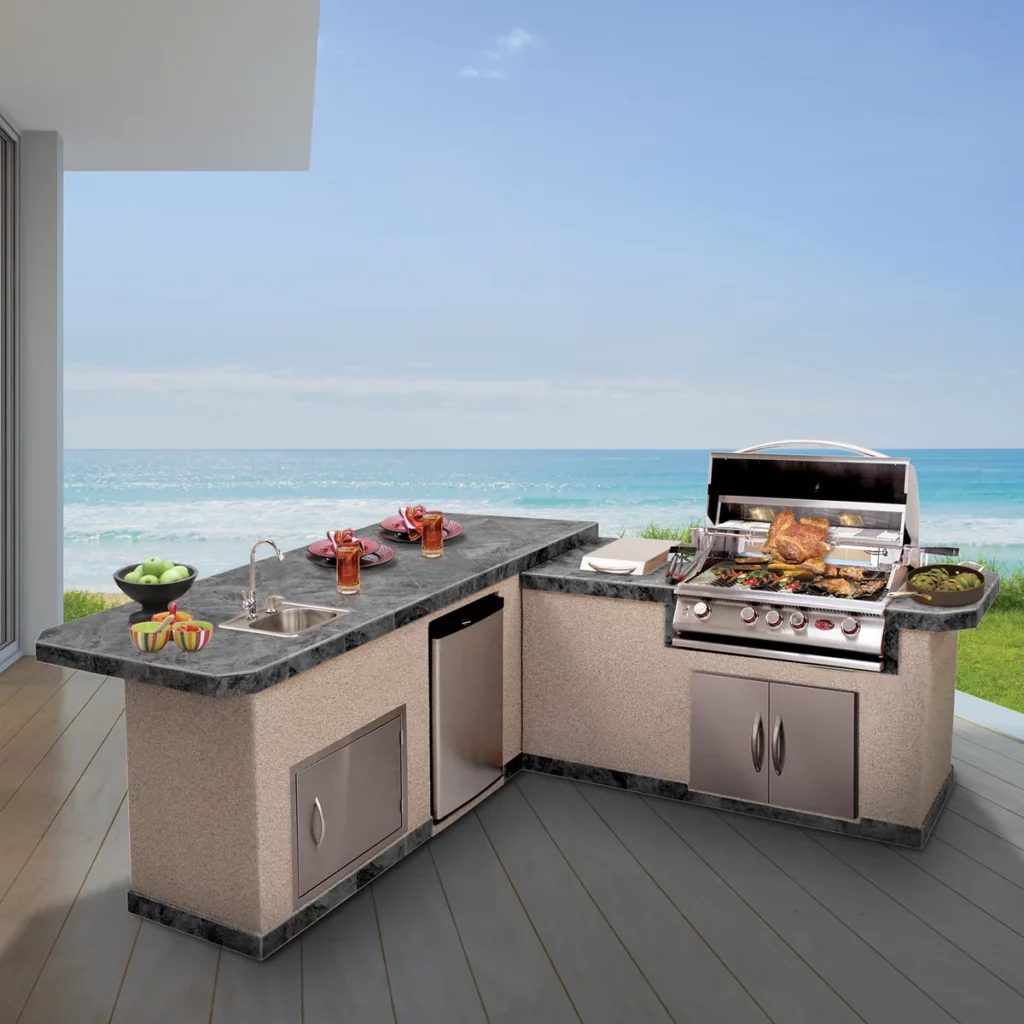
A suburban homeowner installed a stainless-steel BBQ island featuring a six-burner grill, side burner, prep sink, built-in refrigerator, and granite countertop. The island included LED under-counter lighting and a custom drink cooler cabinet perfect for entertaining.
Relevance: This project showcases a turnkey outdoor kitchen combining functionality, upscale finishes, and ambiance. It illustrates how local builders create comprehensive setups that blend cooking ease with entertainment.
2. Compact Pizza Oven Island for Small Yards
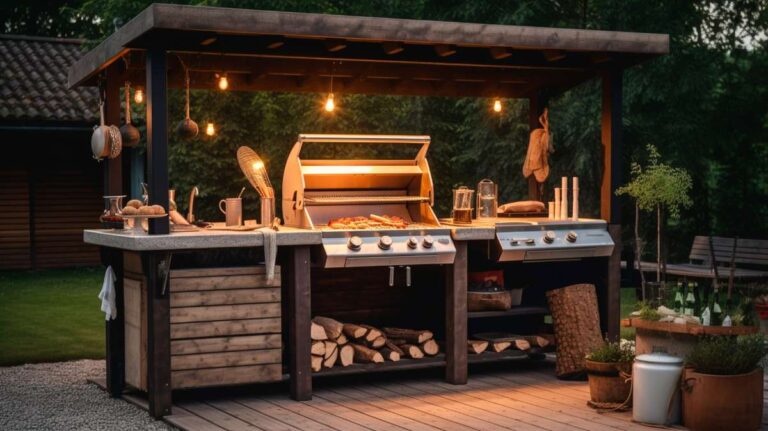
In a compact backyard, a builder constructed a pizza oven-focused island with stone counters, sealed steel doors, and fold-down prep surfaces. Integrated storage provides room for tools and accessories. A metal vent hood and outdoor-grade canopy protect against smoke and weather.
Relevance: Ideal for tight spaces, this project highlights how builders tailor designs to specific cooking styles like wood-fired pizza while maximizing efficiency on a limited footprint.
3. Modular Poolside BBQ Pod
Attached to a pool deck, a prefabricated BBQ pod delivered by a local builder included a grill, beverage cooler, and cast stone countertop. The modular unit was placed on reinforced piers over gravel, allowing precise leveling.
Relevance: Modular installations speed up construction, reduce on-site disruption, and offer architecturally matched units that complement poolside entertainment areas.
Technology Benefits in BBQ Island Construction
Smart Appliance Integration
Leading builders incorporate smart refrigerators, app-controlled lighting, and gas level sensors into BBQ islands. Homeowners can monitor fridge temperatures, adjust illumination, or receive gas refill alerts via smartphone, adding convenience and safety.
Because local technicians understand smart-home systems, they ensure seamless integration and rugged outdoor power protection. These systems improve usability and future-proof your investment.
Advanced, Weather-Resistant Materials
Modern materials such as composite decking, sealed stainless steel, porcelain countertops, and UV-resistant lighting significantly improve durability. These innovations outperform traditional materials while maintaining aesthetic appeal. Local builders choose finishes aligned with your region’s weather to prevent discoloration, corrosion, or structural swelling.
Prefabricated and Modular Options
By using modular kits or prefabricated pods, builders achieve factory-level precision and faster installation. Tight sealing and standardized fittings reduce weather vulnerabilities. Local contractors can customize modules, adding extra burners, refrigeration, or a cinemalike layout, delivering quick, high-quality installations.
Use Cases: Real-World Problem Solving

Crowded Indoor Kitchen During Gatherings
Problem: Indoor spaces feel congested when entertaining.
Solution: A local builder installs a BBQ island with ample prep surfaces, a side burner, and a seating area. Guests mingle freely outside while cooking remains central and accessible, keeping your indoor kitchen free and uncluttered.
Maximizing Limited Patio Space
Problem: Small backyard lacks room for a conventional outdoor kitchen.
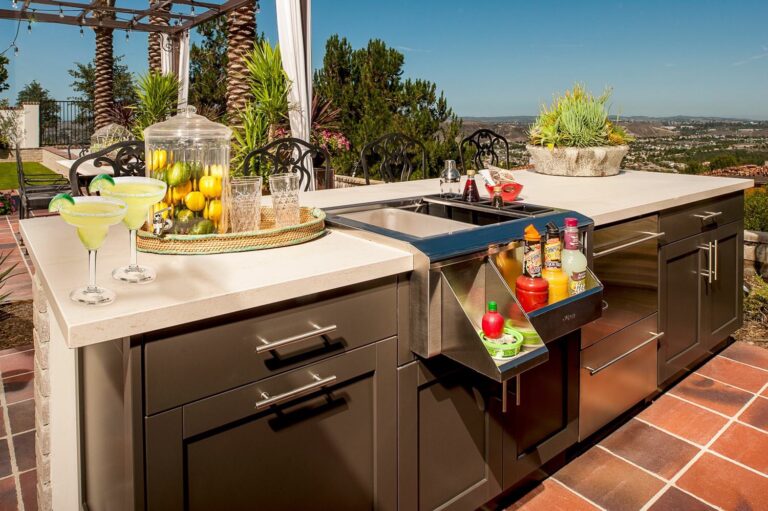
Solution: A compact, multifunctional island incorporates fold-out trays, built-in storage, and a compact grill or pizza oven. This space-saving design allows a full cooking experience without compromising open space.
Weather and Corrosion Resistance
Problem: Coastal elements rapidly degrade standard kitchen components.
Solution: Builders install marine-grade stainless steel, sealed cabinetry, and UV-protected countertops. Covered outlets, corrosion-resistant bolts, and integrated sealing systems prolong durability in harsh environments.
Seamless Integration with Smart Home
Problem: Remote guests expect smart features and ambiance.
Solution: A BBQ island integrated with smart lighting, app-controlled fridge, and gas level monitoring delivers tech-savvy entertainment outdoors. Local builders ensure reliable network access and weatherproof wiring.
Benefits of Professional BBQ Island Builders
-
Outstanding Durability: Expert foundation work, sealed cabinetry, and precision installation translate into long-lasting performance and minimal upkeep.
-
Safety & Code Compliance: Contractors handle gas, electrical, and plumbing systems to local standards, providing licensed work and smooth inspections.
-
Aesthetic Cohesion: Materials, lighting, and layout choices are guided to match patio surfaces, landscaping, and outdoor lighting designs.
-
Increased Property Value: A professionally built outdoor kitchen is an attractive feature for potential buyers, offering significant ROI.
-
Turnkey Convenience: Builders coordinate design, permits, materials, construction, inspections, and finishing touches, allowing you to focus on planning gatherings, not logistics.
Frequently Asked Questions
Q: How long does a BBQ island installation take from start to finish?
A: Simple BBQ islands typically take 3–5 weeks from planning through construction. Complex builds with sinks, refrigerators, and ovens may take 8–12 weeks, factoring in permits, inspections, materials delivery, and weather.
Q: What ongoing maintenance is needed for a BBQ island?
A: Routine care includes cleaning countertops, sealing surfaces annually, inspecting gas and plumbing connections, winterizing pipes if needed, and replacing LED bulbs. Many local builders offer maintenance packages to handle these tasks seamlessly.
Q: Will a BBQ island require permits?
A: Most installations need permits for gas, electrical, plumbing, and structural work. Licensed local contractors manage permit applications and inspections, ensuring your kitchen meets code without delaying construction.