Expert Outdoor Kitchen Contractors: Everything You Need to Know Before You Build
Hiring a professional outdoor kitchen contractor can be the key to creating a fully functional, durable, and visually stunning outdoor cooking space. Whether you want a compact grill station or a luxurious backyard kitchen with all the amenities, working with an expert ensures high-quality workmanship, compliance with building codes, and long-term satisfaction.
Outdoor kitchens are becoming increasingly popular as homeowners invest in multifunctional outdoor living spaces. A contractor with experience in outdoor kitchen design and construction brings both creativity and practical know-how to turn your vision into reality. This article provides comprehensive insights into the role of these professionals and why their expertise matters.
What Do Outdoor Kitchen Contractors Do?
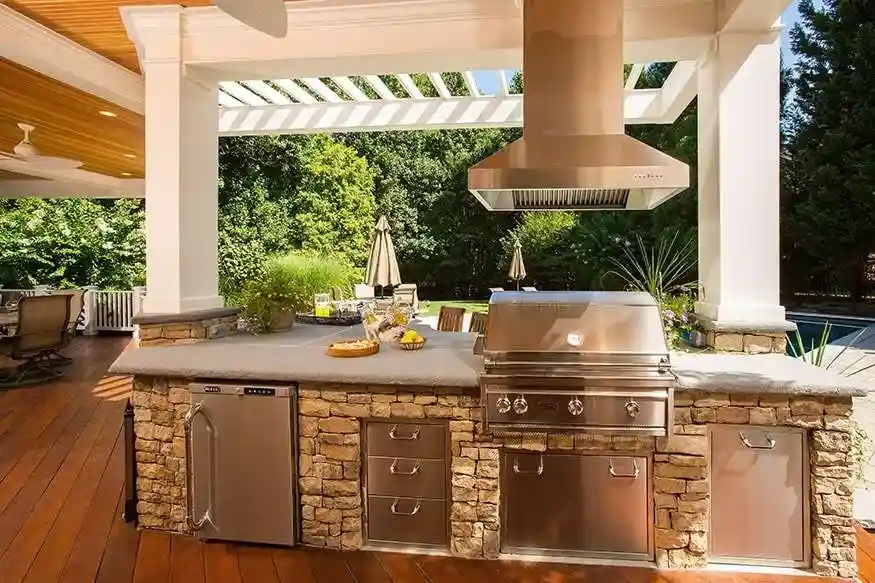
Outdoor kitchen contractors specialize in designing and building custom kitchens in open-air environments. Their job includes everything from planning layouts to sourcing materials and ensuring structural integrity in various weather conditions. Many contractors work closely with landscape designers, electricians, and plumbers to offer full-service project management.
Their role typically includes:
-
Consulting and planning kitchen layouts based on available space
-
Recommending suitable materials for counters, appliances, and enclosures
-
Coordinating electrical, gas, and water lines to outdoor areas
-
Ensuring weather resistance and proper drainage
-
Building the base and installing cabinets, countertops, and fixtures
Choosing the right contractor ensures your outdoor kitchen is not just beautiful, but also safe, compliant, and functional year-round.
Why Hiring a Specialist Matters
Unlike general contractors or DIY builders, outdoor kitchen specialists understand the nuances of exterior environments. Exposure to rain, sun, heat, and humidity requires materials and designs that can stand the test of time. A specialist knows which appliances are rated for outdoor use and how to plan ventilation to avoid smoke buildup.
They also help avoid costly errors, such as installing non-weatherproof cabinets or failing to provide a proper slope for water runoff. Their expertise minimizes risk and enhances the final result.
Understanding Design and Planning Considerations
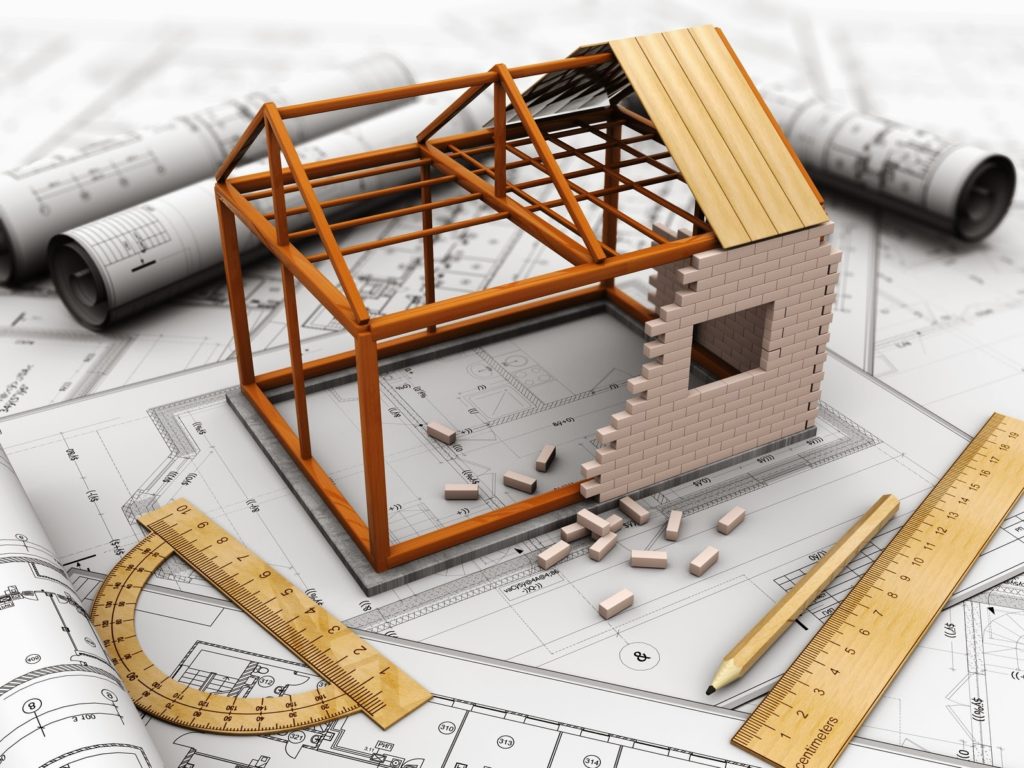
Before any construction begins, proper planning is critical. A skilled contractor will first evaluate your outdoor space, considering slope, sunlight exposure, and accessibility. They’ll also assess how your outdoor kitchen will complement existing landscaping or patios.
Important design considerations include:
-
Kitchen zone planning (grill, prep area, sink, seating)
-
Power and gas line availability
-
Drainage solutions and flooring options
-
Ventilation and fire safety
-
Integration with surrounding elements like pergolas or patios
By planning thoroughly upfront, contractors ensure that the final build integrates seamlessly with your lifestyle and outdoor layout.
Benefits of Using Modern Construction Technology
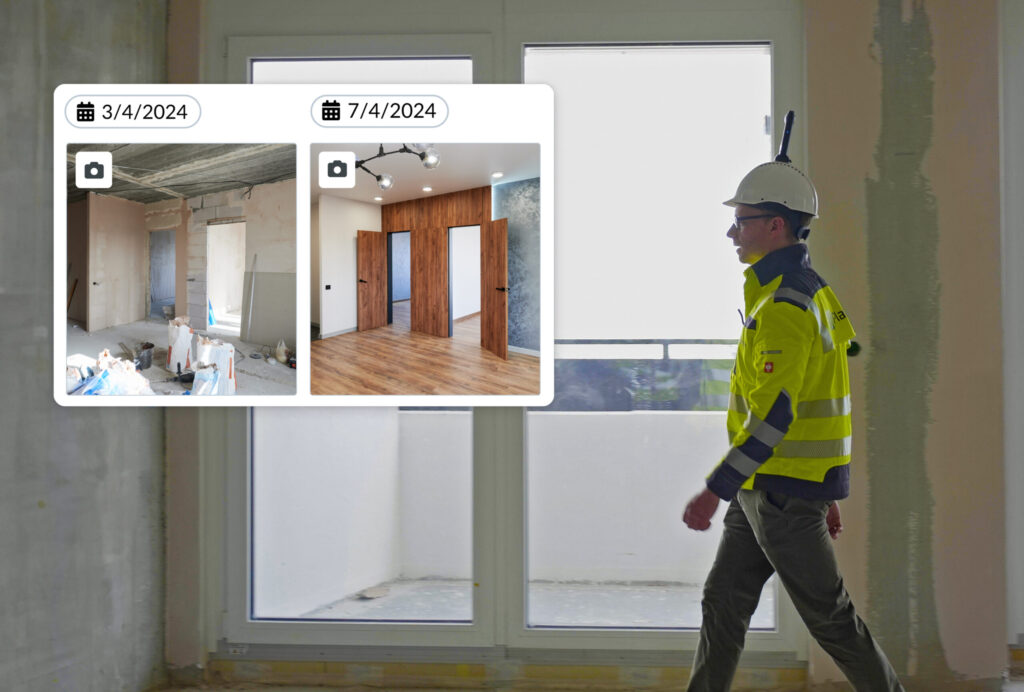
Modern construction technology has made outdoor kitchen projects more efficient and durable. From 3D design software to modular systems and weatherproof materials, today’s contractors can offer innovative solutions that were previously unavailable.
3D rendering tools allow homeowners to visualize their kitchen before breaking ground. This reduces errors, enhances customization, and speeds up approvals. Weather-resistant concrete panels, porcelain tiles, and powder-coated aluminum frames now provide both beauty and resilience.
Technology also enables:
-
Efficient installation through prefabricated modules
-
Smart kitchen integrations like voice-activated lighting or grill temperature control
-
Sustainable choices such as energy-efficient burners and recycled materials
A contractor who embraces modern tools delivers faster, safer, and more cost-effective results.
Real-World Example Projects
Custom Stone Outdoor Kitchen with Pergola (San Diego, CA)
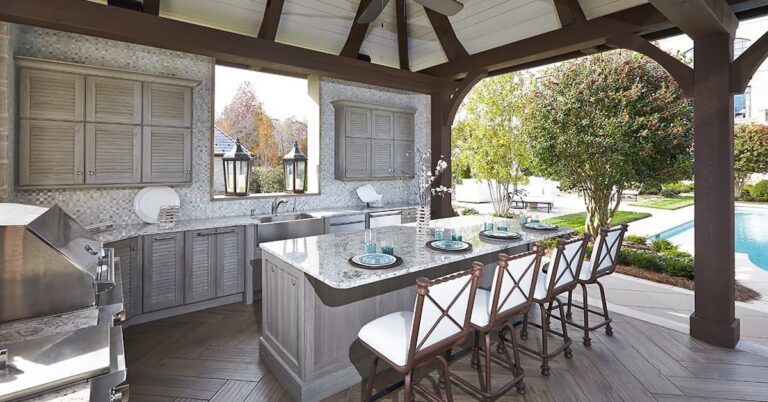
A family in San Diego worked with a specialized outdoor kitchen contractor to design a full cooking and entertaining space beneath a cedar pergola. The kitchen includes a built-in gas grill, refrigerator, sink, and granite countertops. The contractor ensured the pergola was structurally sound and used UV-resistant materials to withstand strong sunlight.
The result is a stunning, functional area that serves as the heart of backyard gatherings.
Compact Urban Rooftop Kitchen (Chicago, IL)
In a limited space setting, a Chicago couple partnered with a local contractor to build a rooftop kitchen complete with a small grill, prep counter, and bar seating. Special attention was paid to wind protection, weight distribution, and compliance with city building codes.
This project demonstrates how professional expertise makes outdoor cooking possible even in dense urban environments.
Rustic Brick Outdoor Kitchen with Pizza Oven (Austin, TX)
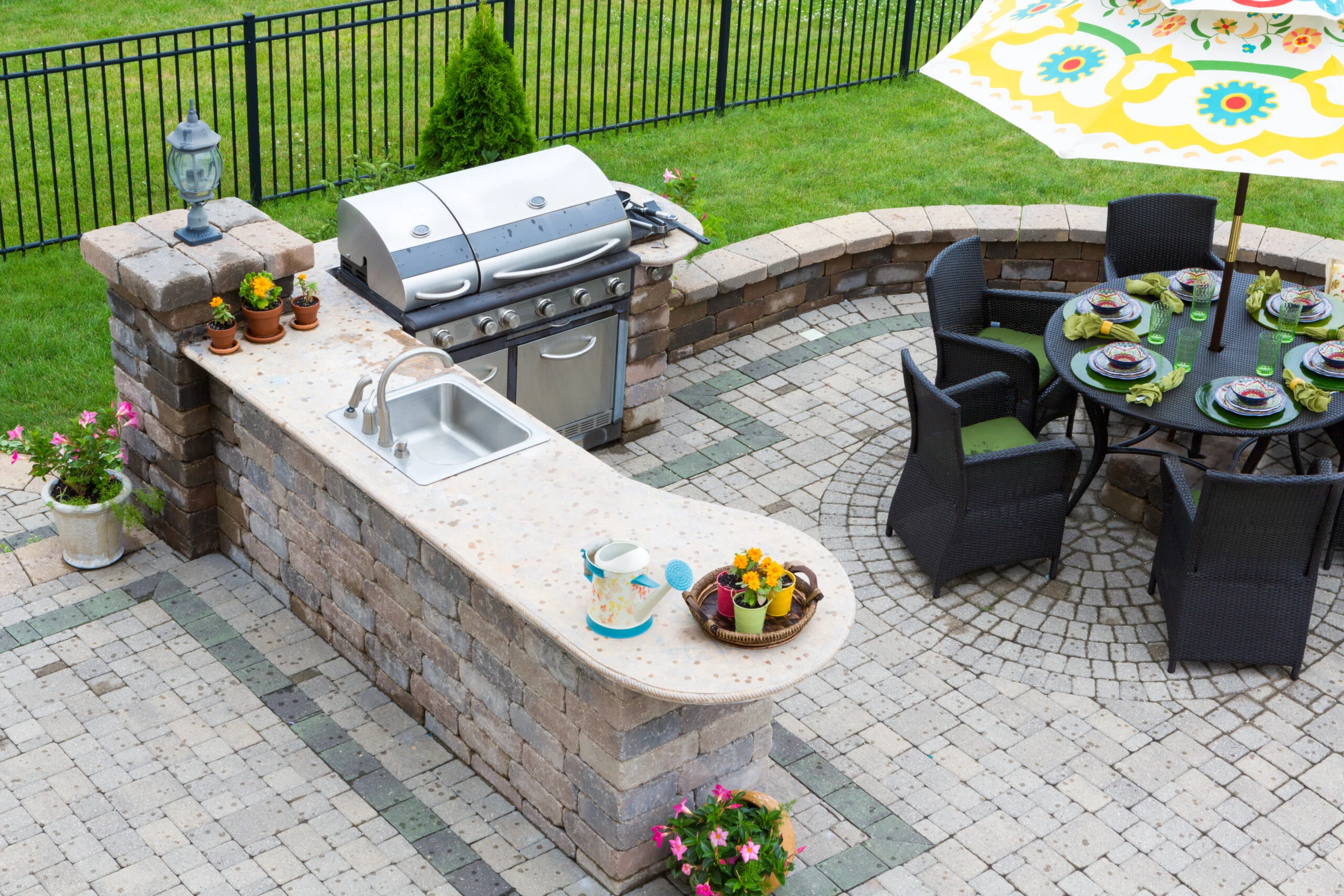
This family-focused project features a traditional wood-fired pizza oven and stainless steel gas grill set in custom-built brick masonry. The contractor integrated durable surfaces and a chimney system for smoke control. Drainage, lighting, and fire-resistant materials were central to the design.
This rustic installation is a perfect example of combining aesthetics with functionality through expert planning.
Luxury Poolside Outdoor Kitchen (Miami, FL)
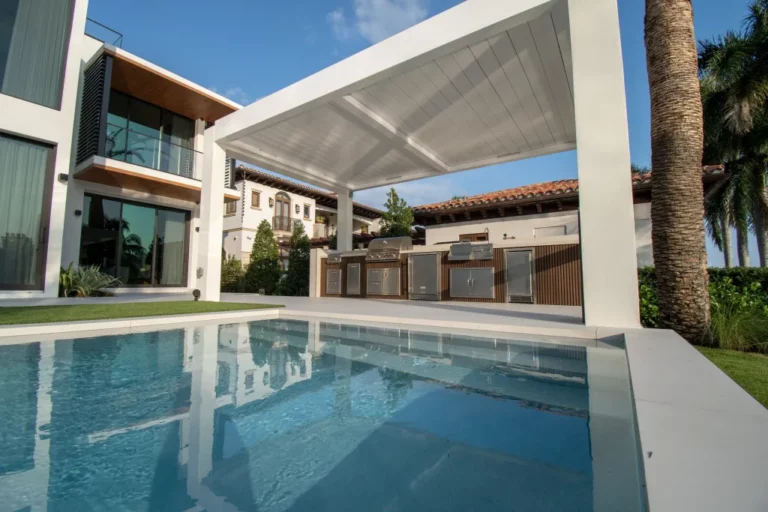
A Miami-based contractor created a luxurious cooking station near a backyard pool. Equipped with a side burner, icemaker, and beverage fridge, this kitchen uses marine-grade stainless steel and porcelain countertops to resist salt air and humidity.
Attention to waterproofing and slip-resistant surfaces enhanced safety while providing a premium experience.
Practical Benefits of Hiring an Outdoor Kitchen Contractor
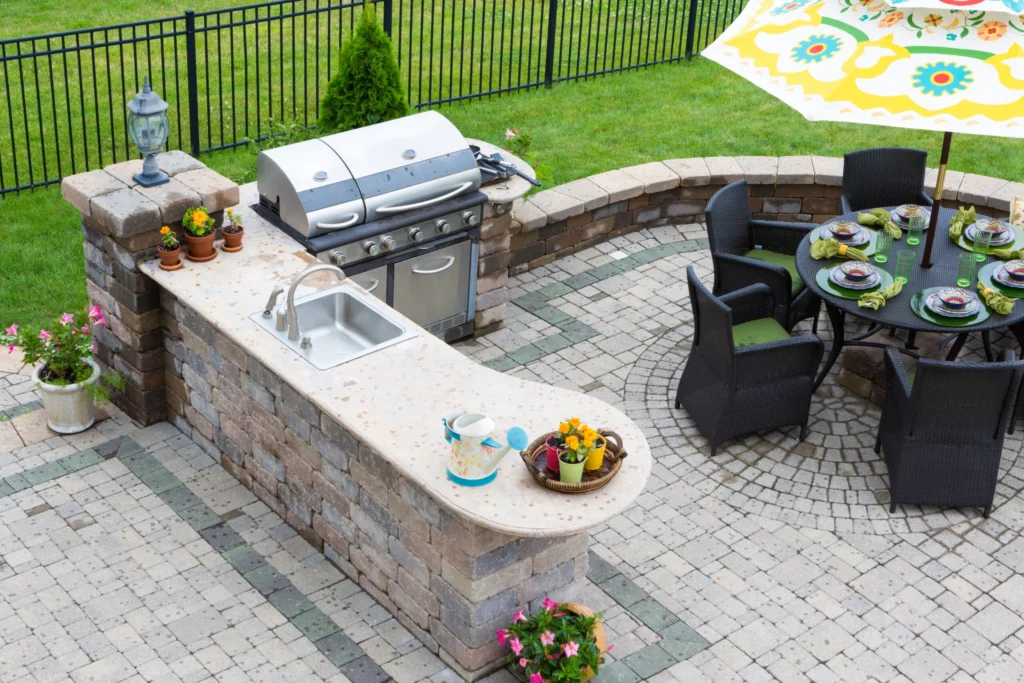
Professionally built outdoor kitchens offer a wide range of benefits. Beyond aesthetics, they increase functionality and long-term property value.
-
Durability: Outdoor conditions are tough. Contractors use materials that are water, UV, and corrosion-resistant.
-
Safety: From proper ventilation to code-compliant gas line installations, expert contractors prioritize your safety.
-
Efficiency: A professionally built kitchen is laid out for smooth cooking flow, saving time and effort during use.
-
Customization: You get a kitchen tailored to your needs, whether that means extra storage, smoker units, or bar seating.
An experienced contractor ensures that you don’t waste money on features that won’t suit your environment or lifestyle.
Use Cases: How This Service Solves Real Problems
-
Problem: Frequent breakdown of DIY-built kitchens
Solution: Contractors ensure installations are structurally sound and weather-resistant, reducing costly repairs. -
Problem: Poor layout causing inconvenience while cooking
Solution: With experience in workflow and ergonomics, contractors design functional spaces with designated zones. -
Problem: Compliance issues with gas, water, and electric lines
Solution: Licensed professionals ensure all installations follow local codes and safety regulations. -
Problem: Mismatched design with home architecture
Solution: Contractors work with designers to create visually cohesive outdoor areas that enhance curb appeal.
Each of these issues can lead to frustration or safety concerns—professional contractors help avoid them entirely.
Frequently Asked Questions (FAQ)
Q1: How long does it take to build an outdoor kitchen with a contractor?
The timeline varies based on the project’s complexity and weather conditions. A basic kitchen can take 2–3 weeks, while a fully customized layout may require 6–8 weeks from design to final inspection.
Q2: Are outdoor kitchen contractors licensed and insured?
Reputable contractors should be both licensed and insured. This ensures that they follow building codes and that you’re protected from liability in case of accidents or structural issues.
Q3: Can outdoor kitchen contractors work with small backyard spaces?
Absolutely. Skilled contractors can design compact kitchens that are efficient and stylish, even in tight spaces. They maximize functionality by prioritizing layout, storage, and multi-use features.