Outdoor Kitchen Construction Near Me: Comprehensive Guide for Your Dream Backyard
Choosing professionals for outdoor kitchen construction near me ensures your project is tailored to local conditions, from soil type and drainage to climate and building codes. Local contractors understand regional regulations and can secure necessary permits without delays. Their familiarity with neighborhood aesthetics and materials ensures your kitchen complements your home and landscape.
Working with nearby experts also offers logistical advantages. They can provide accurate quotes, timely site inspections, and reliable post-construction services. These factors combine to make the process smoother and more efficient for homeowners.
Planning Your Outdoor Kitchen Project
Clarifying Purpose and Function
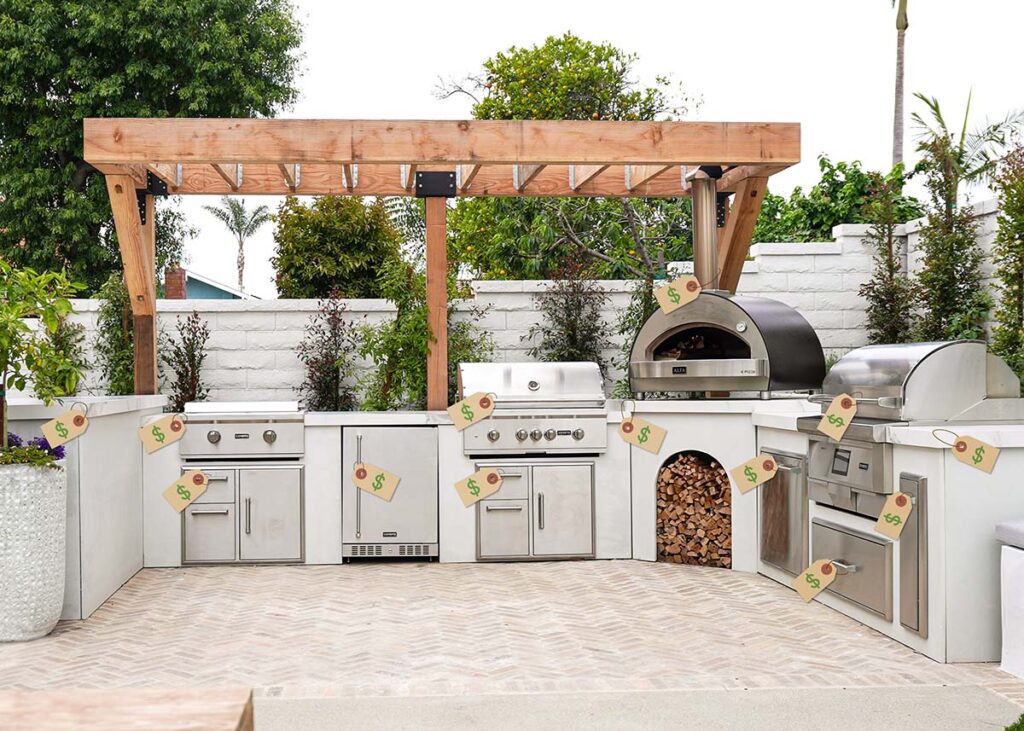
Before construction begins, define how you’ll use your outdoor kitchen. Do you envision multi-course meals, casual grilling evenings, or poolside entertaining? Local builders will ask these questions to shape layout decisions and utility placements. Whether it’s a linear, island, or L‑shaped configuration, the design must support workflow prep, cook, and serve while keeping foot traffic flowing.
Site analysis is another critical component. Professionals assess sunlight exposure, wind orientation, and patio slope to optimize appliance placement. They also plan utility routes for gas, water, and electricity, ensuring safe and accessible lines that don’t obstruct living spaces.
Choosing Enduring Materials
Outdoors means exposure; choose materials accordingly. Local construction experts often recommend stainless‑steel or marine‑grade cabinets for rust resistance. Countertops like granite, porcelain, or sealed concrete resist heat, staining, and weathering. Flooring materials such as textured pavers, stamped concrete, or composite decking offer slip resistance and aesthetic integration with existing patios.
Local knowledge matters here: contractors specify UV-stable finishes, corrosion-resistant hardware, and sealants that perform in your climate. This attention to detail ensures longevity and minimizes maintenance, letting you enjoy your kitchen, not spend time fixing it.
Construction Essentials: Foundation and Utility Integration
Establishing a Stable Foundation
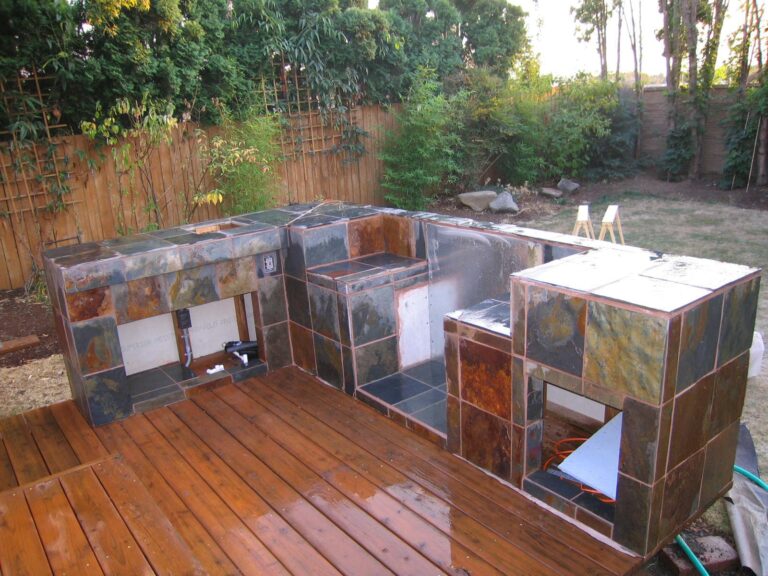
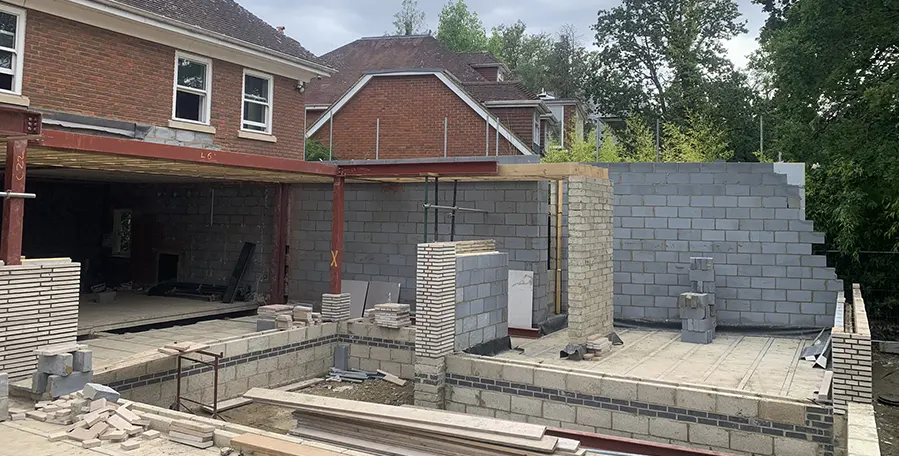
Stability starts below ground. Contractors excavate until reaching solid soil, install a compacted aggregate base, and pour reinforced concrete slabs or footings. This approach prevents settling, cracking, or shifting, especially important in areas with freeze-thaw cycles or unstable substrates.
Experienced builders may also elevate islands off the ground on concrete piers, improving drainage and airflow. Proper compaction and reinforcement ensure the structure stays plumb over time.
Integrating Utilities Safely
Modern outdoor kitchens rely on gas grills, refrigeration, lighting, and plumbing. Licensed local contractors coordinate with plumbers and electricians to install gas lines with shut-off valves, outdoor-rated wiring with GFCI protection, and weatherproof plumbing fixtures. Planning utilities during initial layout avoids costly retrofitting and ensures compliance with local code for inspections.
Efficient utility layout also reduces wasted materials and piping runs, ultimately saving time and cost. Professional installations prioritize both functionality and safety.
Real‑World Construction Examples
1. Coastal Stainless-Steel Entertaining Island
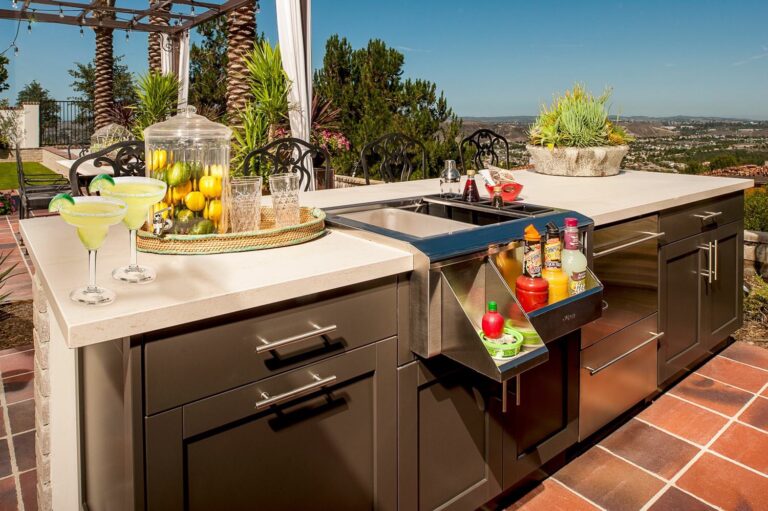
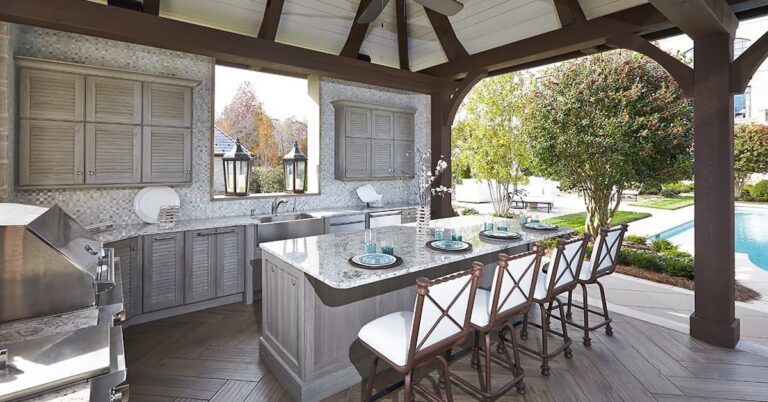
In a seaside property, a local contractor built a raised stainless-steel island featuring a six-burner gas grill, fridge, and cocktail bar. All materials were marine-grade, with sealed cabinetry to withstand salt spray. An integrated LED lighting system illuminates countertops and footpaths, enhancing evening use.
Relevance: This project exemplifies how local builders adapt to corrosive environments, ensuring long-term durability and low maintenance.
2. Wood-Fired Pizza Oven Patio Kitchen
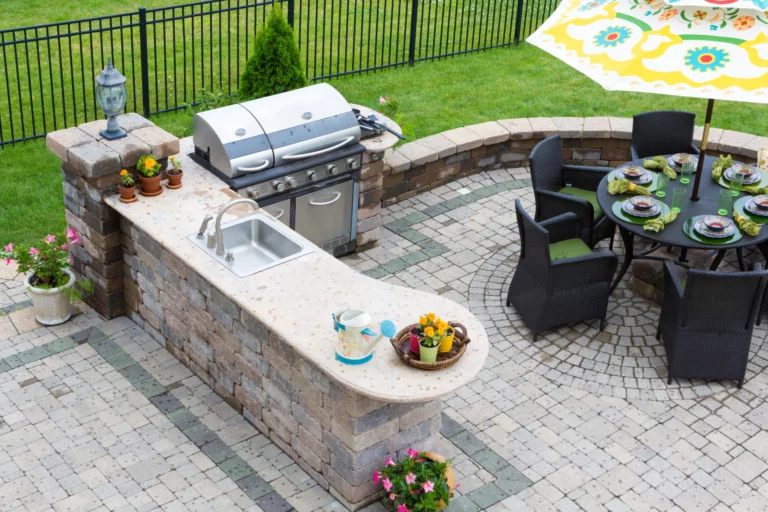
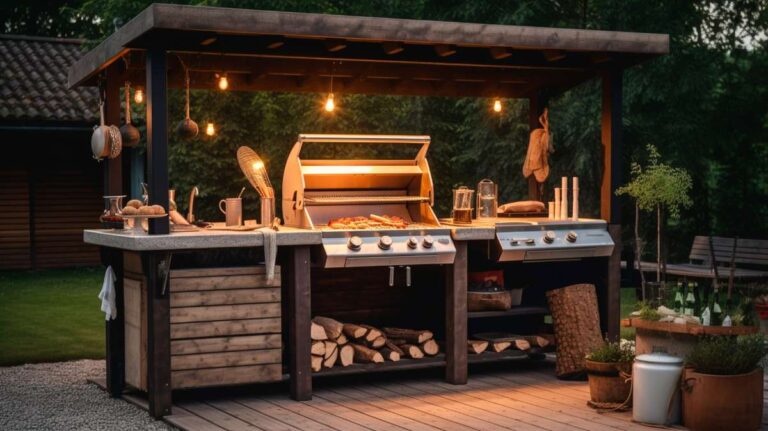
In an urban backyard, a compact outdoor kitchen was constructed around a stone pizza oven. Granite countertops flank the oven, with hidden storage for firewood and utensils. The contractor incorporated a stainless-steel prep sink and vented canopy to manage smoke, perfect for frequent cooking.
Relevance: Showcases versatility in materials and design for specialty functions while optimizing small footprints for maximum usability.
3. Prefab Modular Island in Pool Area
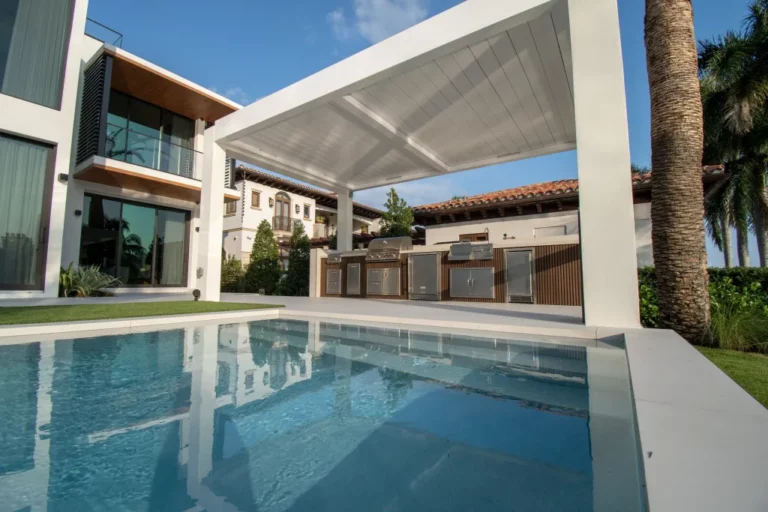
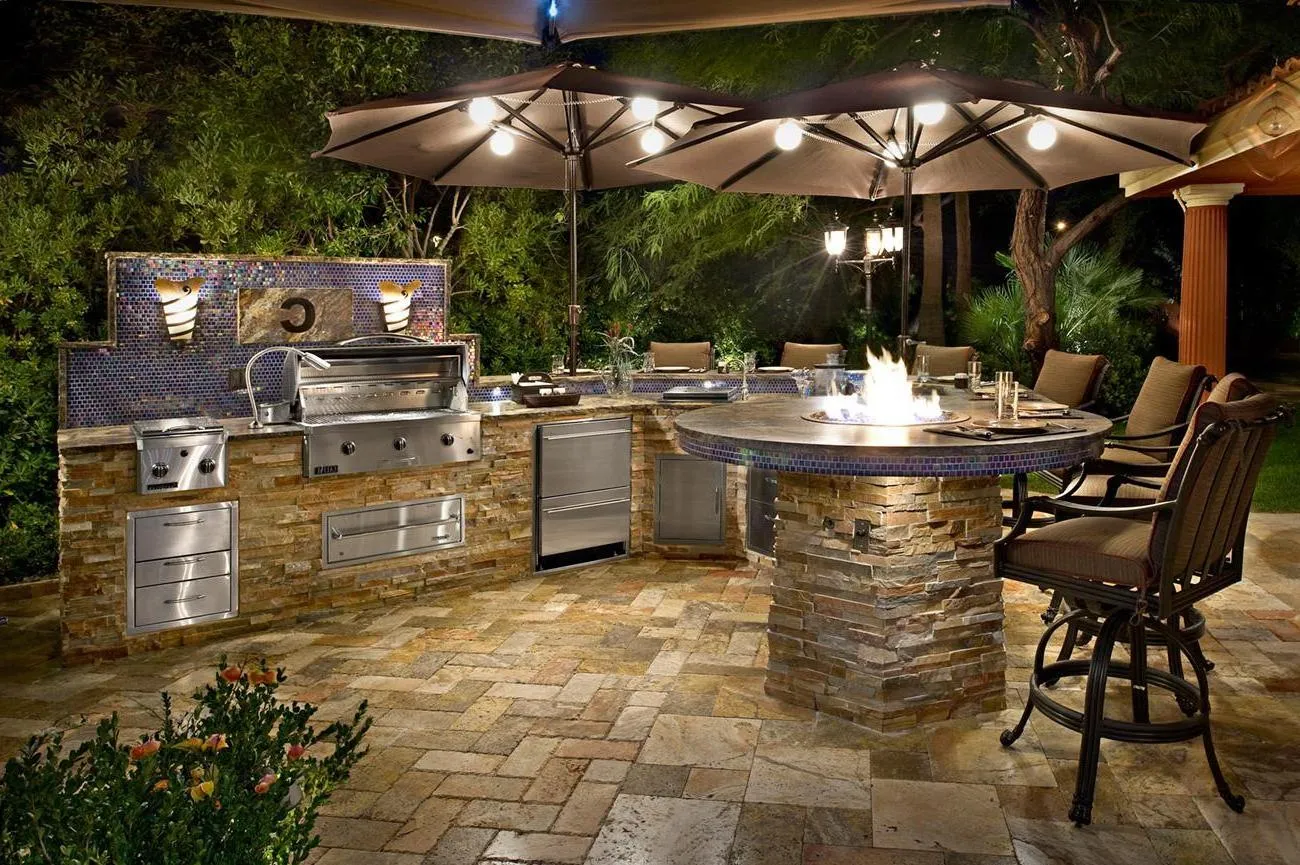
A modular kitchen pod was delivered to a suburban pool deck and placed on a reinforced gravel base. The unit included a gas grill, beverage fridge, and cast-stone countertop with bar seating. Prefabrication reduced onsite work and ensured precise finish quality.
Relevance: Demonstrates the speed and quality benefits of modular installations suitable for tight construction schedules and minimal disruption.
Benefits of Technology in Outdoor Kitchen Construction
Smart Appliance and Lighting Integration
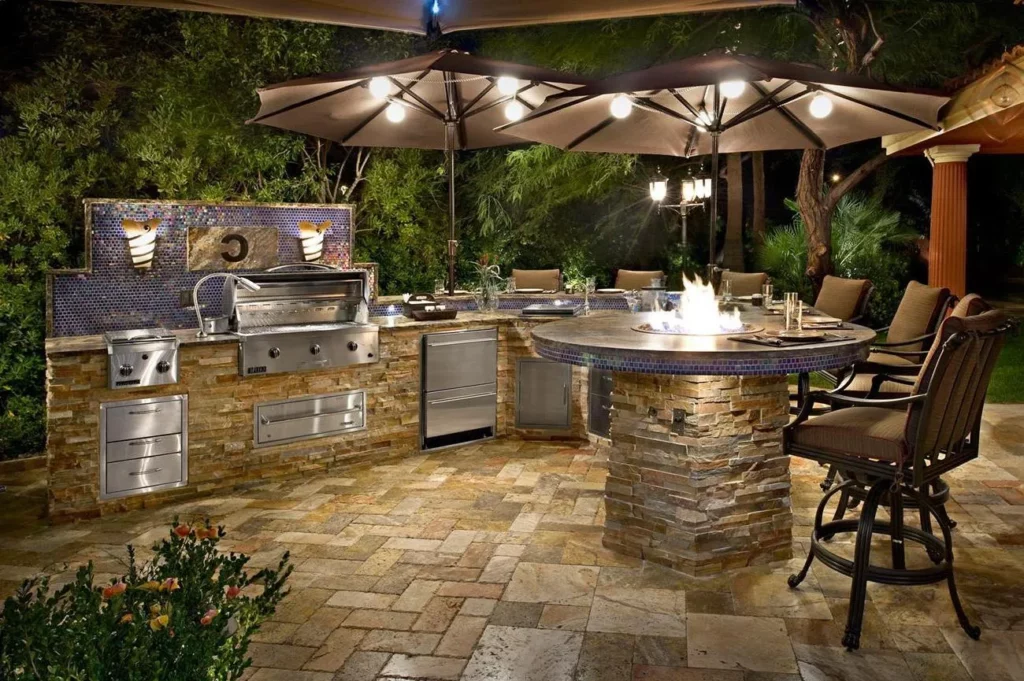
Outdoors doesn’t mean outdated. Contractors now integrate smart refrigerators, app-controlled lighting, and propane sensors that send alerts when gas levels drop. Remote control and diagnostics provide peace of mind and convenience, letting you monitor performance wherever you are.
Local installers can integrate these systems with home Wi-Fi or dedicated smart hubs while ensuring weatherproof wiring and circuit safety. These features elevate your kitchen experience and optimize efficiency.
Weather‑Resistant Innovations
Durable materials aren’t enough; modern finishes enhance resistance. UV-stable composite decking, sealed stainless steel, porcelain countertops, and marine-grade hardware resist fading, rust, and wear. These upgrades minimize upkeep and keep the space looking great under sun, rain, or coastal conditions.
Builders select materials based on local climate data, choosing finishes proven to handle temperature swings, moisture, or salt exposure.
Prefabricated Construction Methods
Prefabricated kitchen units built in factory conditions ensure high-quality workmanship, tight tolerances, and complete sealants before delivery. Local contractors then handle site placement, leveling, and utility hookups, offering a combination of speed and durability superior to traditional builds.
Modular designs also allow for future expansion additional modules can be added for sinks, grills, or storage as needs evolve.
Use Cases: Outdoor Kitchen Problems Solved
Overflow During Gatherings
Problem: Indoor kitchens are overcrowded during parties.
Solution: A built-out outdoor kitchen with ample prep area, double burners, refrigeration, and a bar keeps food prep outside. This setup keeps guests fluidly moving, with minimal indoor congestion.
Maximizing Tight Spaces
Problem: The Urban patio is too small for a traditional outdoor kitchen.
Solution: Compact pizza oven island with fold-out prep trays and storage tucked efficiently, even in small yards, homeowners can enjoy outdoor cooking without clutter.
Coastal Corrosion Concerns
Problem: Salt-air damages fixtures quickly.
Solution: Installation with marine-grade steel, sealed cabinetry, protected outlets, and corrosion-resistant hardware preserves functionality and appearance long-term.
Low-Maintenance Family Hub
Problem: Busy households lack time for upkeep.
Solution: Smart materials and sealed systems mean simple cleaning. Smart appliances reduce manual checking and maintenance routines, yielding a functional, stress-free outdoor kitchen.
Benefits of Professional Outdoor Kitchen Construction
-
Enhanced Longevity: Quality foundations, waterproofing, and structural integrity reduce future repairs.
-
Safety Compliance: Licensed professionals ensure correct gas, plumbing, and electrical work aligned with local codes.
-
Design Harmony: Contractors harmonize your kitchen with house architecture and landscape for a seamless aesthetic.
-
Property Value: A professionally built outdoor kitchen is a notable selling point, delivering a strong return on investment.
-
Project Peace of Mind: From permits to utilities, contractors handle the entire process, leaving you to plan gatherings, not logistics.
Frequently Asked Questions
Q: How long does outdoor kitchen construction take from planning to completion?
A: Simple grill islands often take 4–6 weeks, while full outdoor kitchens with utilities and specialty features can range from 8–14 weeks, depending on permitting, weather, and material availability.
Q: What maintenance is required after construction?
A: Annual tasks include countertop sealing, checking cabinetry hardware, cleaning appliances, and servicing gas lines. Many contractors offer routine inspections to preserve performance and warranty coverage.
Q: Is an outdoor kitchen worth the investment?
A: Properly planned and built, an outdoor kitchen adds lifestyle enjoyment and resale value. Durable materials, thoughtful utility layout, and smart technology contribute to long-term returns both functionally and financially.